Beinecke MS 408
The Voynich Manuscript: object, images and research record
Beinecke MS 408 is held by Yale University’s Beinecke Rare Book and Manuscript Library. This record brings together manuscript images, comparator records and findings with their recorded status. Public pages use a dated snapshot of the research register.
About this record
The research compares page structures, illustrations and textual patterns in MS 408 with documented manuscripts. Finding statuses describe the scope and evidence recorded by the researcher. This site does not present a decipherment of the Voynich text.
The public index provides current titles and statuses from a dated snapshot. Historical demonstrations are labelled separately. The full internal research workspace has additional records and tools.
The manuscript
Beinecke Rare Book and Manuscript Library, Yale University, MS 408. A parchment codex with undeciphered text and botanical, astronomical and other drawings. EVA is a modern transcription alphabet for its script, not the name of the original script.
The object record
Shelfmark, codicology, the six conventional sections shown folio by folio, digitization provenance and access state, the manuscript as object before any interpretation.
The folio reader
Read catalogued manuscript images with pan and zoom, or place comparator images beside them.
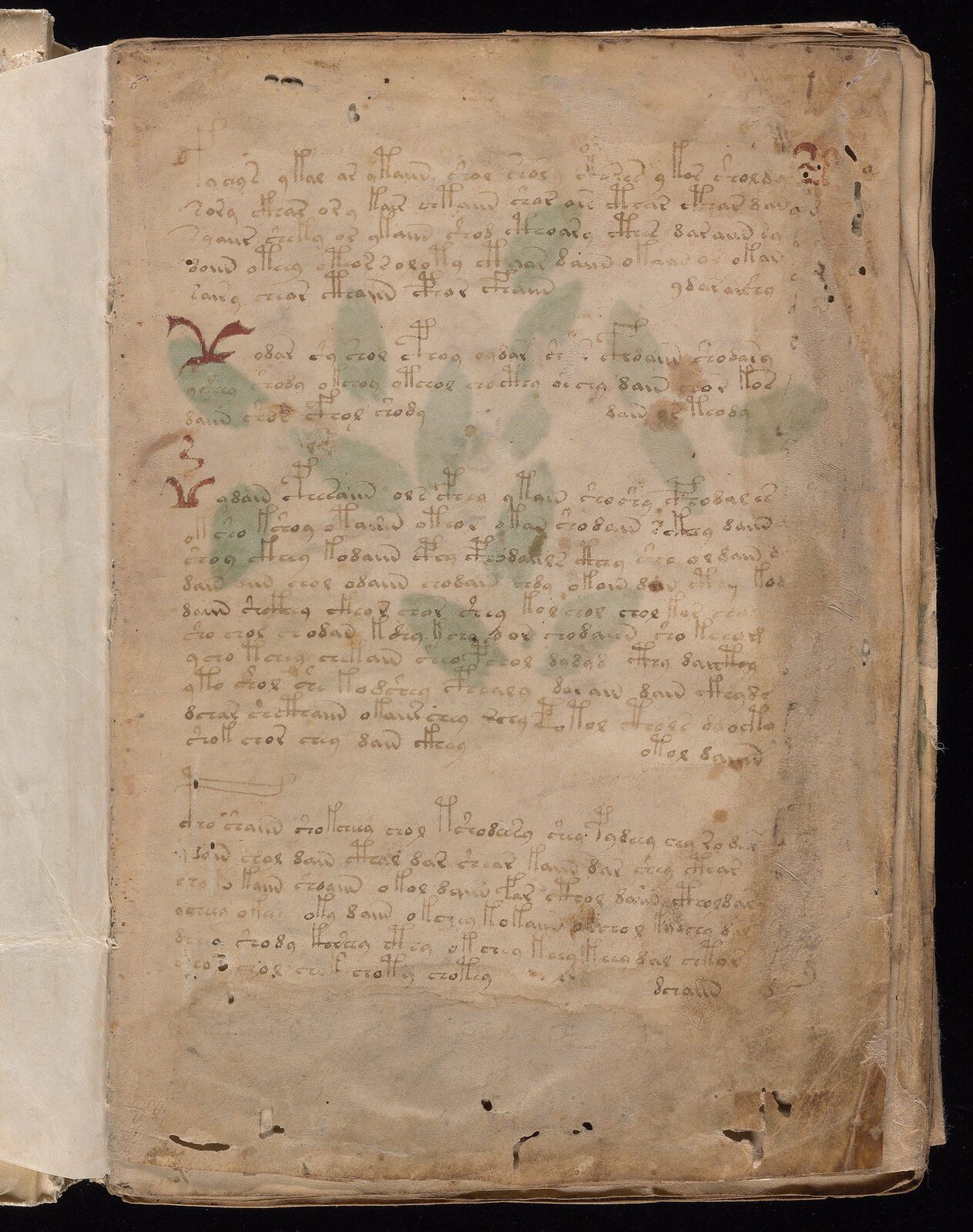
The central comparator hypothesis
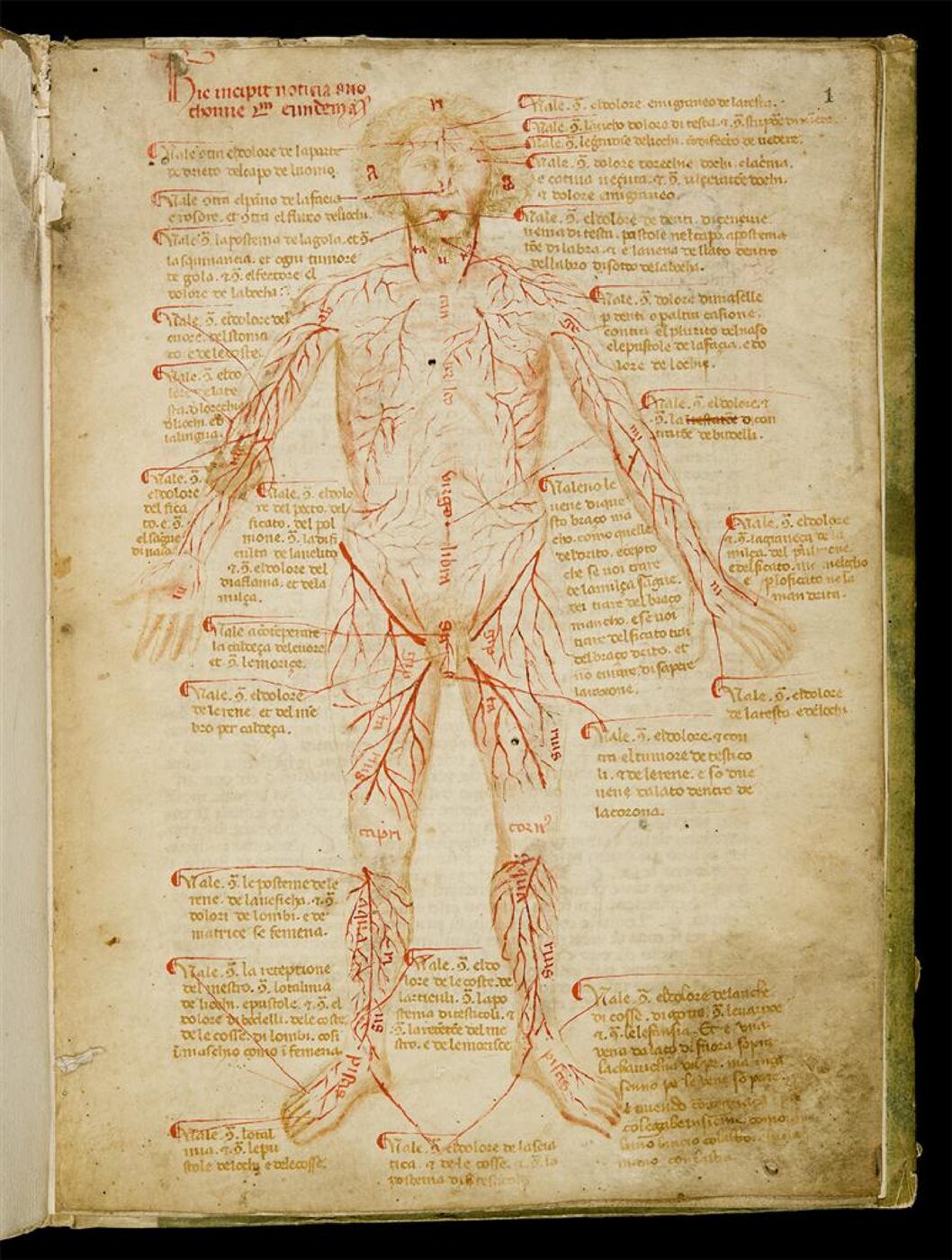
The research asks whether regularities in MS 408 share structural features with documented late-medieval medical, divinatory and computational manuscripts. The following component types provide comparison terms; their presence in comparators does not by itself decipher MS 408.
Apparatus comparisons
- F-CGM7958-FOL16R-WEEKDAY-VALUE-CIRCLE-PRIMARY-SOURCE-VERIFIED-CORRECTS-SUBSTRATE-2026-05-13: Cgm 7958 fol. 16r weekday-value inner-circle (primary-source-verified, corrects prior substrate values) (Supported)
- F-CGM7958-FOLS16V-18R-SUM-LOOKUP-PAIR-RESULT-NINE-CAPITEL-CHAPTERS-PRIMARY-SOURCE-VERIFIED-2026-05-13: Cgm 7958 fols 16v-18r sum-lookup pair-result table, nine "Capitel" chapters with AEGIMERIT who-beats-whom rule (primary-source-verified) (Supported)
- F-CGM7958-FOL20V-PLANETARY-VALUE-AND-COLOR-APPARATUS-PRIMARY-SOURCE-VERIFIED-2026-05-13: Cgm 7958 fol. 20v planetary number+color assignment apparatus, 8th component beyond prior 7-component crosswalk (primary-source-verified) (Supported)
Findings, by status
All seven recorded statuses are included. The public index preserves the status of each claim in this snapshot.
Open the findings register › Finding links open the corresponding public snapshot record.
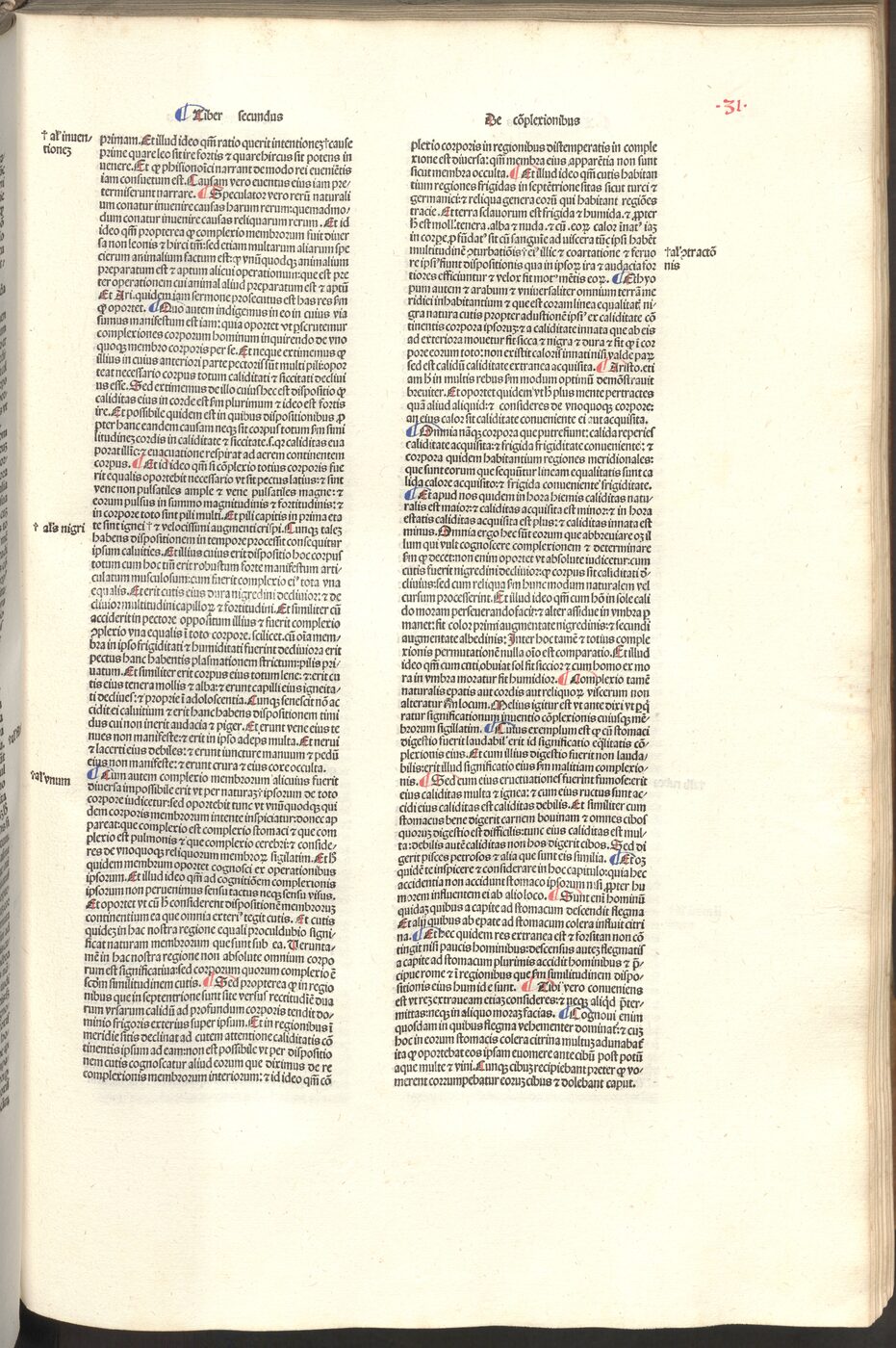
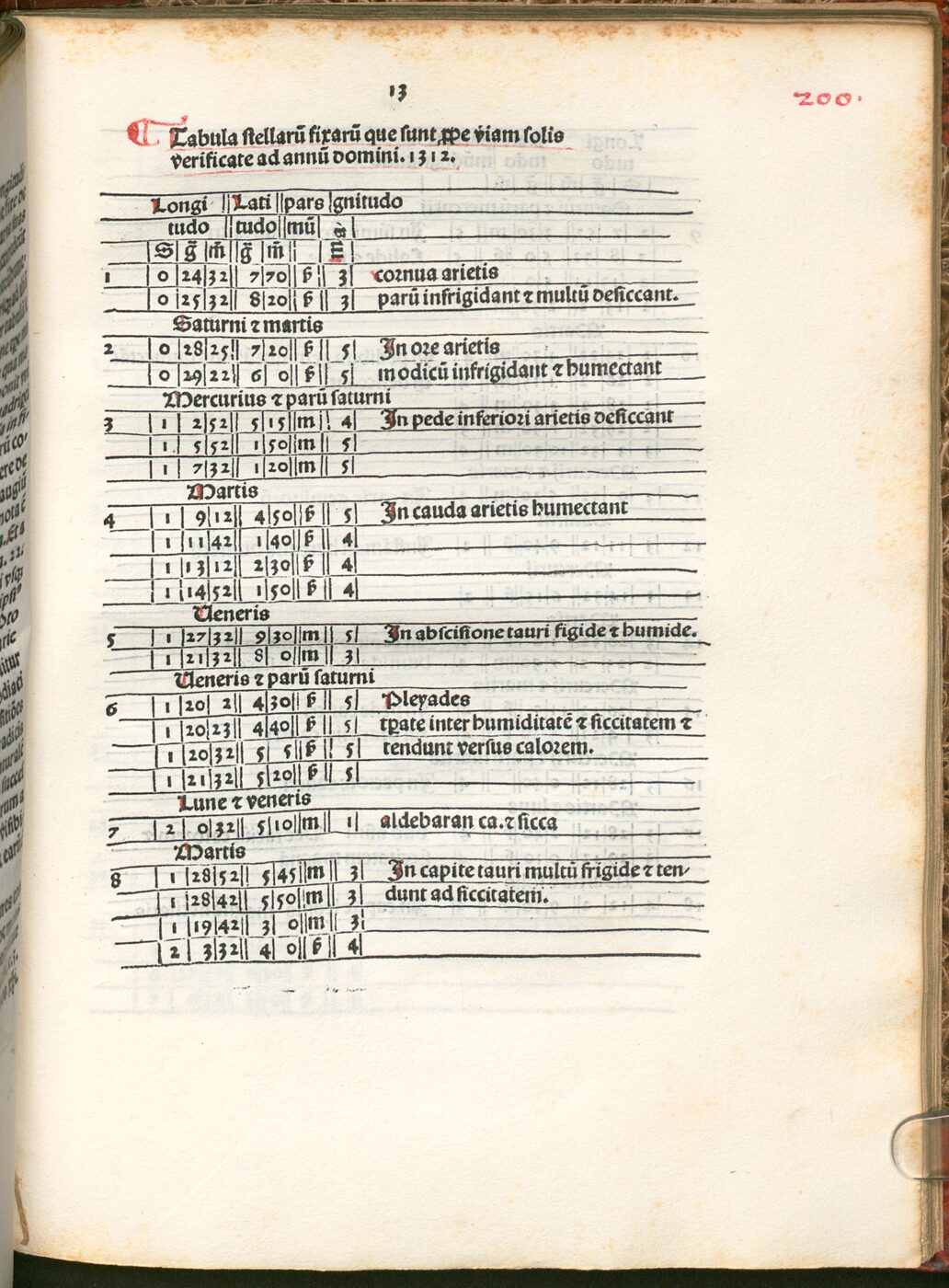
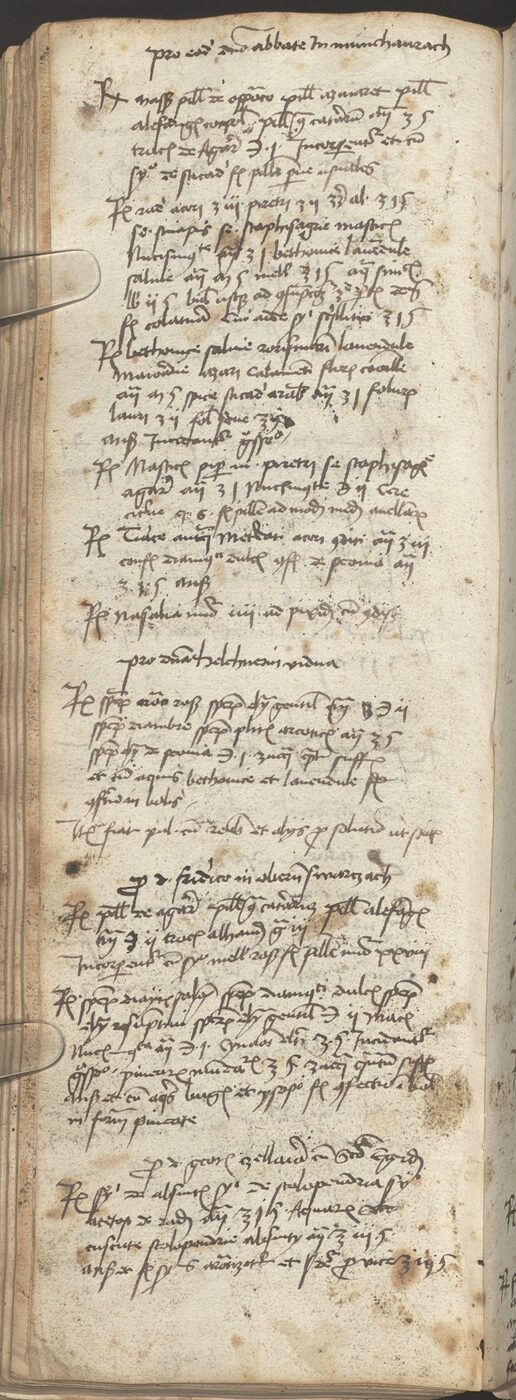
The Padua-orbit comparator stratum
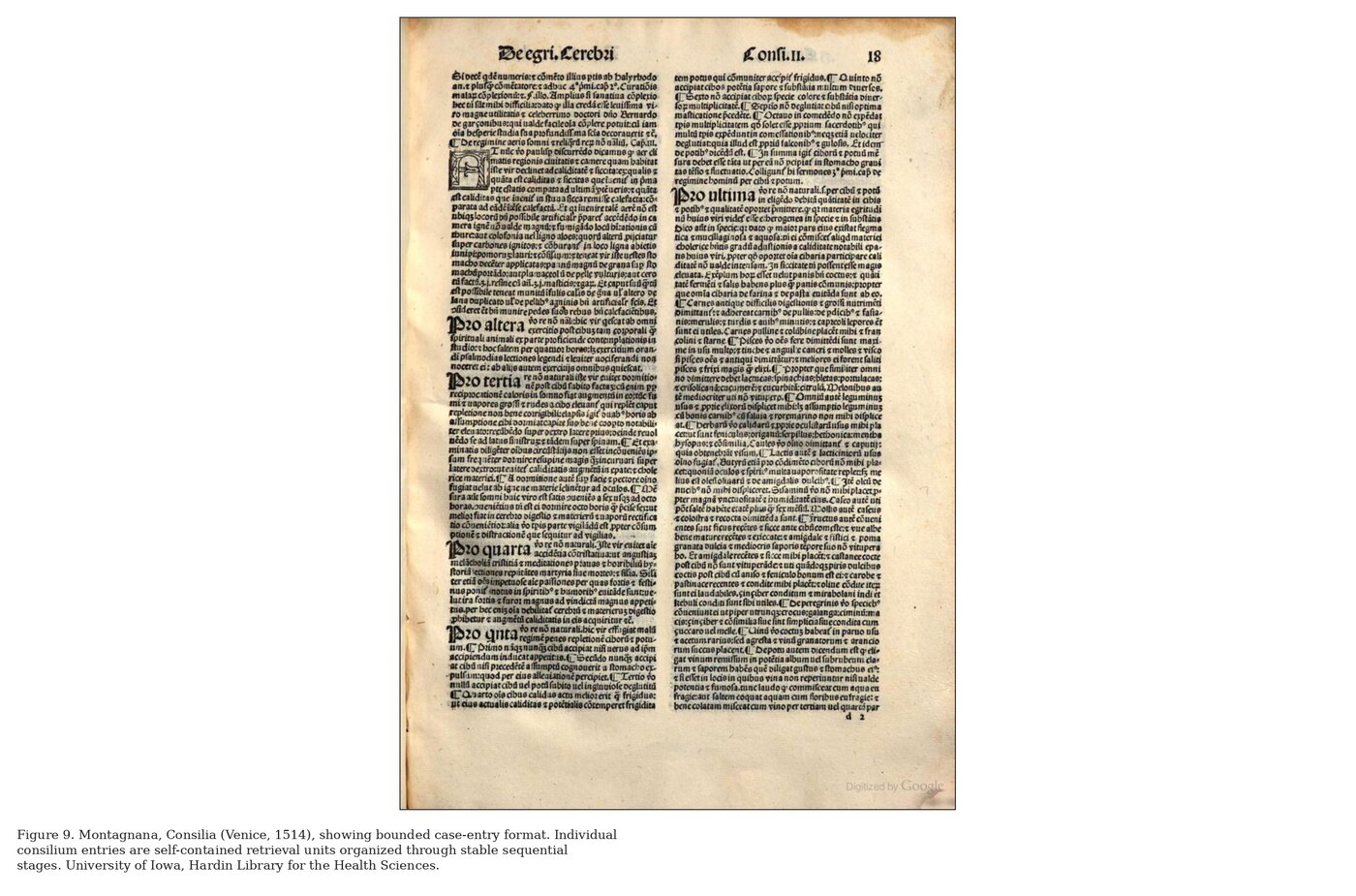
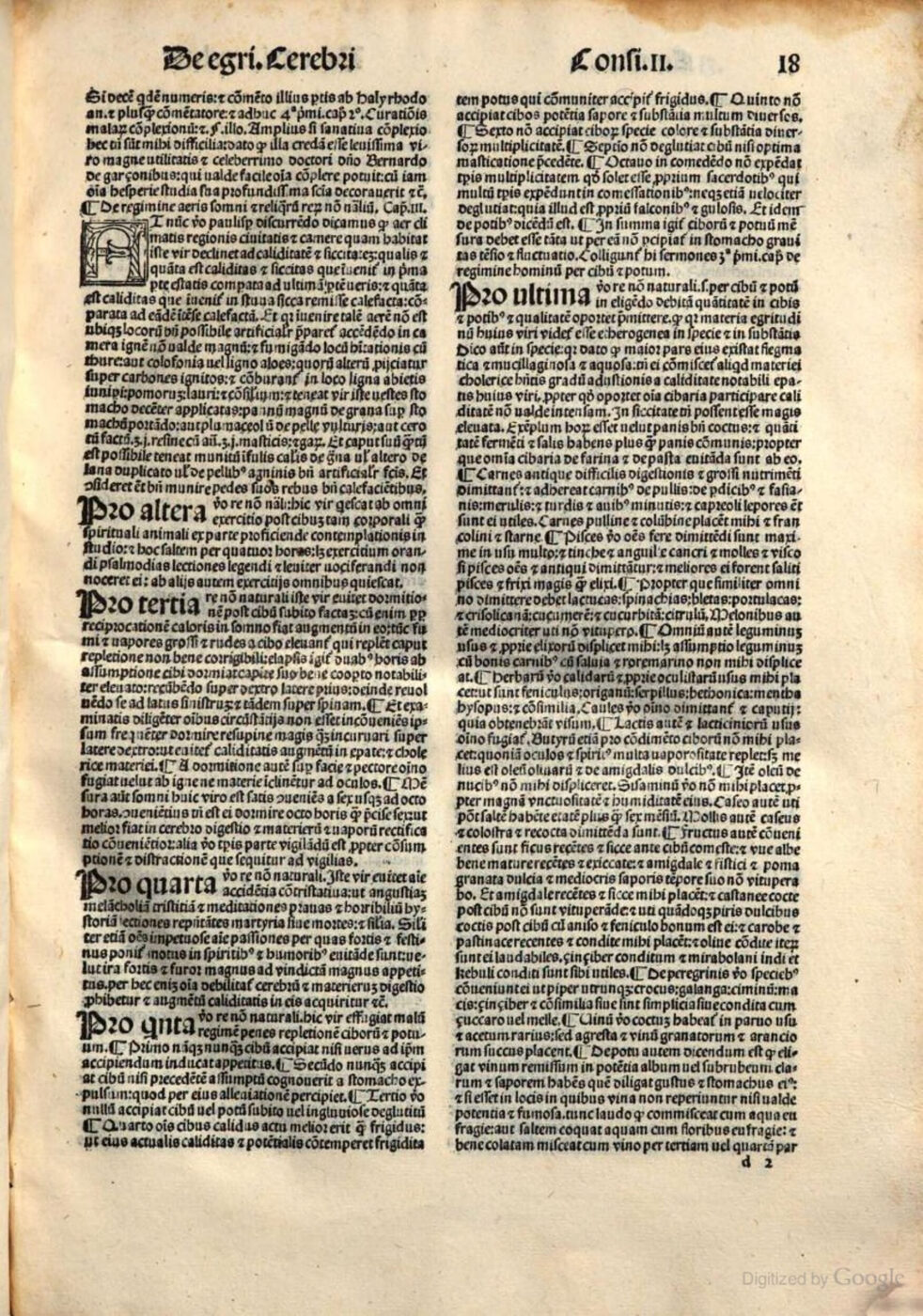
Selected images from the Latin medical and computational comparison corpus. Historical descriptive labels identify the witnesses; current finding assessments appear in the public research index.
Images and public records
Read manuscript images or search the dated research index.
Manuscript images
Read every folio of Beinecke MS 408 in the public Coviewer, one or two at a time, with zoom, pan and marks that travel in the link. No account, nothing stored in your browser.
Read manuscript images ›
Research board
Search 691 finding records, 651 manuscript records and 221 named figures in the dated public snapshot, with the Coviewer and the community claims beside them. The board provides finding titles and statuses; the full internal research record is separate.
Open the research board ›
Public access
The reading site provides manuscript images and a dated research index. The community claims gallery is live.
Research index
Available
Search the published snapshot of finding titles, recorded statuses, manuscripts and named figures. Updates appear when a new snapshot is published.
Manuscript images
Available
Read Beinecke MS 408 and comparator images with pan, zoom and separate comparison panes.
Community claims
Available
Browse community theories about the manuscript, graded against the structural spine.
Contributions
Coming soon
A public contribution page is being prepared. Online submissions are not open yet.
The internal research workspace has additional notes, review records and analysis tools. Those working materials are separate from the published reading site.